
AI automation, applied to problems worth solving
Most of the value in AI automation is unglamorous: classifying enquiries, extracting information from documents, drafting routine replies and summarising long threads. We focus on those, because they are measurable and they do not require the business to trust a machine with decisions it should not be making.
- Automate repetitive tasks that consume real staff hours
- Handle unstructured information such as messages and documents
- Keep humans responsible for decisions that matter
- Measure the time saved instead of assuming it
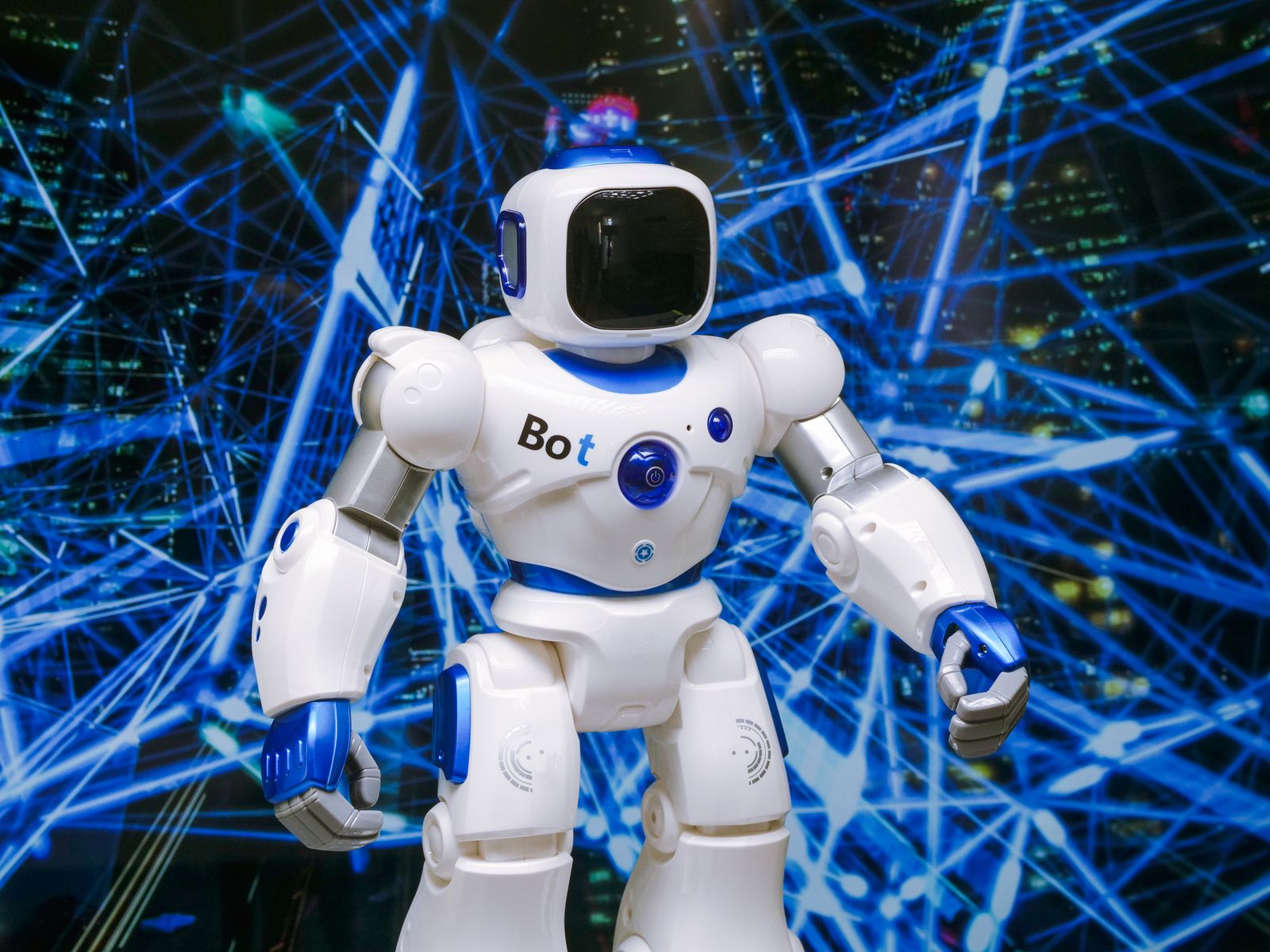
A realistic view of what AI automation does well
AI is good at tasks that are repetitive, language-based and low-risk if occasionally wrong: sorting, drafting, extracting and summarising. It is not good at decisions with real consequences, and we will not build it into those. Where a human should decide, a human decides.
Practical AI automation use cases
These are the applications that reliably save time in a service business.
Enquiry classification
Incoming messages sorted by type, urgency and location so they reach the right person.
Document data extraction
Pulling figures and details from invoices, forms and quotations into structured records.
Response drafting
Preparing a first draft of routine replies for a person to review and send.
Summary generation
Condensing long email threads, service histories or meeting notes into a short brief.
Translation and localisation
Handling the language mix that real customer communication involves.
Pattern detection
Surfacing recurring complaints, faults or requests that would otherwise stay invisible.
How we approach AI automation
Find a real task
We identify a repetitive task with a clear cost in staff time, rather than starting from the technology.
Measure the baseline
We establish how long the task currently takes, so improvement can be proven.
Build a narrow solution
We automate one well-defined task rather than a sweeping transformation.
Keep a human in the loop
Anything with consequences is reviewed by a person before it takes effect.
Measure and expand
We compare against the baseline and only then consider the next use case.

What we automate, and what we deliberately do not
The most important design decision is what to leave to people. Our rule is simple: automate tasks, not judgement.
- Automate: sorting, extracting, summarising and drafting
- Automate: repetitive checks and reminders
- Leave to people: pricing, liability and complaints
- Leave to people: anything a customer would object to being automated
Common questions
Is our data safe if AI is involved?
Will it replace staff?
What if the AI gets something wrong?
How do we know it is saving time?
What repetitive task is eating your team’s week?
Tell us where hours are being lost. We will tell you whether automation is a good fit and what it would realistically save.
Related pages
Workflow Automation
Connecting defined steps and systems.
ExploreCustom Software
When automation needs a purpose-built system.
ExploreLead Management
Automating enquiry handling and follow-up.
ExploreField Service Management
Automating the field service chain.
ExploreWorkflow for Furniture
Automation applied to furniture operations.
ExploreAll Solutions
Seven solution areas from Adeptike.com.
Explore